Homeowners in Newton, MA face specific choices when it comes to garage door repair. Picking the right materials affects durability, insulation, and long-term cost. This guide walks through practical options so you can decide with confidence.
Why material choice matters for garage door repair
The material of your garage door and its components determines how it performs in New England weather. Salt air, winter freeze-thaw cycles, and summer humidity each affect materials differently. A smart material choice reduces repeat repairs, improves energy efficiency, and preserves curb appeal.
Common materials and when to use them
Steel
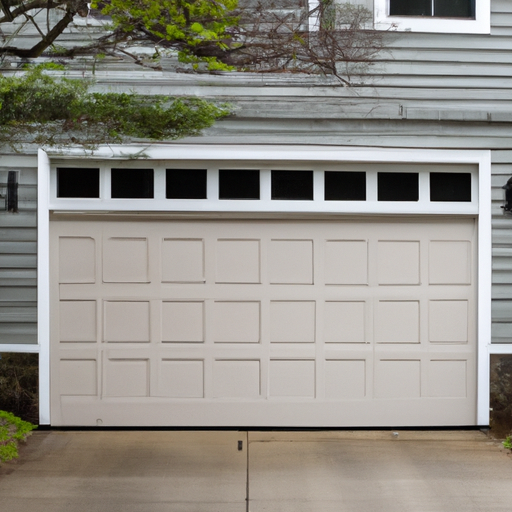
Steel is the most common choice for residential garage doors and the backbone of many garage door repair projects. It resists dents better than some alternatives and provides excellent strength for springs, tracks, and hardware.
- Pros: durable, low-maintenance, good for painted finishes and insulated cores.
- Cons: can rust if the finish is compromised; choose galvanized or powder-coated steel for coastal areas.
Aluminum
Aluminum doors are lightweight and resist rust, making them useful where corrosion is a concern. They are common on contemporary designs but may dent more easily than steel.
- Pros: corrosion-resistant, lighter weight, modern look.
- Cons: less impact resistance; consider reinforced sections if you park in tight driveways.
Wood and wood composite
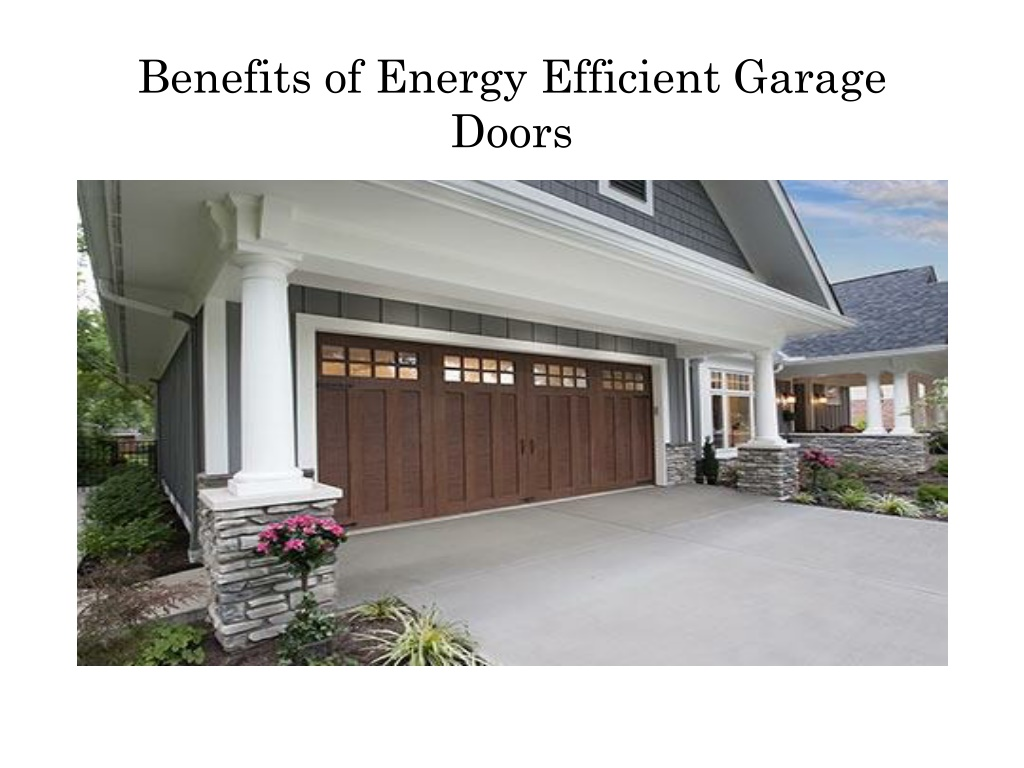
Wood offers a high-end appearance and natural insulation, but true wood needs regular maintenance in Massachusetts climates. Engineered wood or wood-clad steel gives the look without the same upkeep.
- Pros: attractive, customizable finishes; good insulation when combined with cores.
- Cons: can warp or rot without proper sealing; higher lifetime maintenance.
Fiberglass
Fiberglass panels are lightweight and resist saltwater corrosion. They are a good option for select coastal neighborhoods, but UV exposure can cause discoloration over time.
Material considerations for specific repair elements
Panels
When replacing panels during a garage door repair, match the panel material to the existing door for consistent performance and appearance. If the old material is failing repeatedly, consider upgrading to a more weather-resistant option.
Springs, cables, and hardware
Hardware materials matter for safety and longevity. Hot-dipped galvanized steel springs and stainless or coated cables resist corrosion and reduce the frequency of service calls. Ask your technician about upgraded hardware during a repair estimate.
Insulation and cores
Insulated cores—polystyrene or polyurethane—improve energy efficiency and comfort for garages attached to living spaces. Polyurethane typically offers better R‑value and rigidity, which helps doors operate more quietly and needs fewer alignment repairs.
Local factors to weigh in Newton, MA
Newton homeowners should consider these local factors when planning garage door repair:
- Winter freeze-thaw cycles: expand/contract stresses favor materials that tolerate movement (steel with good finish or aluminum).
- Road salt exposure: galvanized or powder-coated finishes protect steel; stainless components for hardware.
- Historic districts: wood or wood-clad options help maintain property character but plan for maintenance costs.
If you want to read about common seasonal issues and preventative care, see our detailed posts on the blog: https://garagedoors-newton.com/blog.
Budgeting: short-term repairs vs. long-term replacement
Decide whether to repair or replace by balancing material cost, expected lifespan, and service frequency. A lower-cost panel repair may be fine short-term, but upgrading to a better material can reduce calls for garage door repair over time.
- Typical repair items: spring replacement, track adjustments, panel patching.
- Upgrade items: insulated steel panels, galvanized hardware, polyurethane cores.
To review options and get a clear estimate for your home, schedule an inspection with our team through the services page: https://garagedoors-newton.com/services.
Practical tips for homeowners
- Document the current material and finish before any repair so replacements match.
- Ask about warranties on parts and labor; reputable firms include hardware and finish guarantees.
- Consider energy rebates—insulated doors save more when the garage adjoins the home.
- Request corrosion-resistant hardware if you live near major roads or salt-sprayed areas.
Ready to arrange a local estimate? Contact our Newton team directly and describe the issue and materials you think are best: https://garagedoors-newton.com/contact.
Signs you should upgrade materials during a repair
Not every repair needs a material upgrade, but consider replacement when:
- Multiple panels or sections show rot, rust, or repeated cracking.
- The existing material fails aesthetic or insulation goals for your home.
- Hardware corrosion is advanced; replacing panels but keeping bad hardware increases risk.
A clear material plan at the time of repair prevents mismatched panels and reduces callbacks for additional garage door repair work.
Final checklist before approving a repair
- Confirm material type and finish in writing.
- Verify hardware grade (galvanized, stainless, or coated) for springs and cables.
- Ask for estimated lifespan and recommended maintenance schedule.
- Check warranty details for parts and labor.
Choosing the right materials is a smart home improvement move that protects your investment and reduces long-term repair costs. For a no-obligation local assessment tailored to Newton homes, call our office or use the contact form on our site.
Frequently asked questions — Newton, MA
1. How does Newton weather affect material choice for garage door repair?
Freeze-thaw and road salt increase corrosion and finish wear. Choose galvanized or powder-coated steel for panels and stainless or coated hardware to reduce rust and repeat service calls.
2. How long will a typical repair take for a residential garage door?
Most common repairs—spring or cable replacement, track alignment, or single-panel swap—take 1–3 hours. Full door replacement usually requires half a day to a full day, depending on materials and paint or finish time.
3. What price range should Newton homeowners expect for repairs?
Minor repairs often run in the low hundreds. Material upgrades (insulated panels, upgraded hardware) or full replacements typically move into the mid-to-high hundreds or low thousands. Ask for a written estimate that breaks out parts and labor.
4. Are there warranty or permit issues I should know about in Newton?
Most reputable contractors offer parts and labor warranties; confirm coverage length and exclusions. Permits are rarely required for small repairs, but full replacements in historic districts or structural modifications may require review—check with Newton building services if unsure.
5. Can upgrading materials improve garage insulation and energy savings?
Yes. Choosing polyurethane cores and properly sealed panels often raises R-value substantially, lowering heating costs for attached garages and improving comfort in adjacent rooms.
Helpful local resources in Newton, MA
- Garage Door Repair Boston
- Garage Door Repair Cambridge
- Garage Door Repair Newton
- Garage Door Repair Lexington
- Garage Door Repair Wellesley
- Garage Door Repair Brookline
- Garage Door Repair Somerville
- Garage Door Repair Burlington
- Garage Door Repair Andover
- Garage Door Repair Weston
- Garage Door Repair Belmont
- Garage Door Repair Westwood
- Garage Door Repair Sharon
- Garage Door Repair Needham
- Garage Door Repair Concord
- Garage Door Repair Hingham
- Garage Door Repair Scituate
- Garage Door Repair Marblehead
- Garage Door Repair Natick
- Garage Door Repair Milton
- Garage Door Repair Acton
- Garage Door Repair Medfield
- Garage Door Repair Sudbury
- Garage Door Repair Wayland
- Garage Door Repair Hanover
- Garage Door Repair Tewksbury
- Garage Door Repair Carlisle
- Garage Door Repair Dover
- Garage Door Repair Hopkinton
- Garage Door Repair Framingham