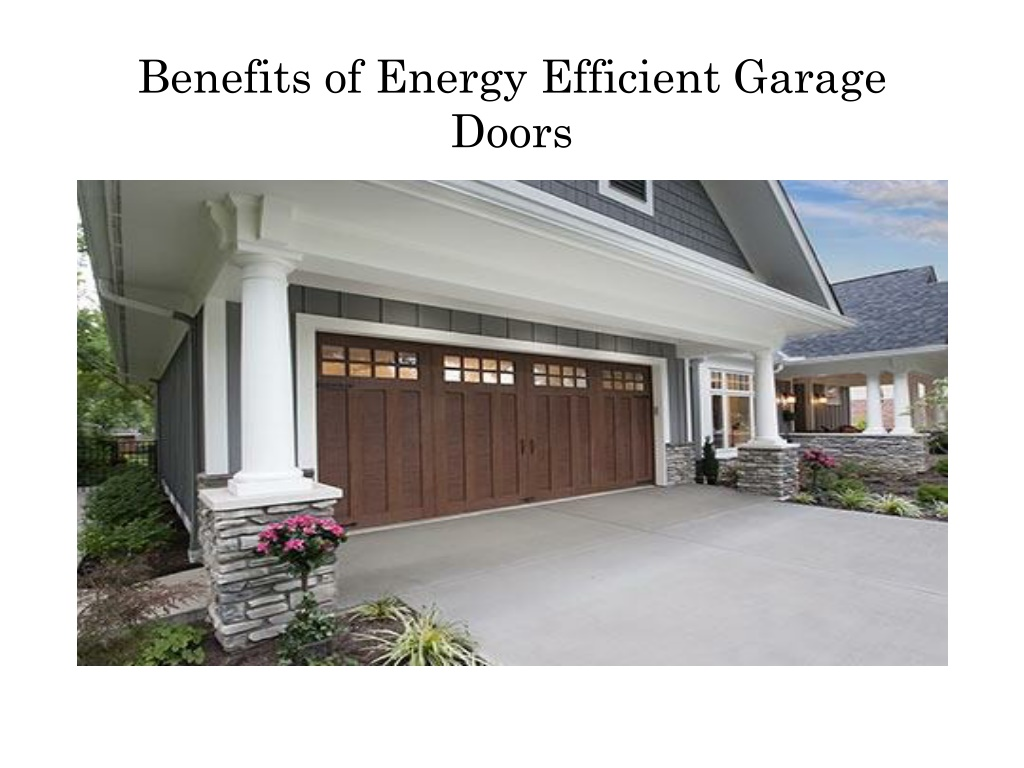
Newton, MA homeowners know that regular garage door maintenance protects comfort, safety, and curb appeal. This guide explains when common parts wear out, which issues require immediate replacement, and how to prioritize repairs so a practical maintenance plan fits your home and budget.
Why timely parts replacement matters
Routine garage door maintenance prevents small failures from becoming costly emergencies. Worn springs, frayed cables, and failing openers create safety risks; replacing parts at the right time reduces downtime and avoids damage to the door or vehicle.
Think of maintenance as staged work: inspection, targeted replacement, and then seasonal checks. For local homeowners, a quick annual inspection before winter is especially important in Newton’s mix of freeze-thaw and coastal humidity.
Parts most likely to need replacement — and when
Below are the components that most commonly fail, with realistic signs and timelines for replacement when focusing on long-term garage door maintenance.
1. Extension and torsion springs
- Signs: sudden loud noise, door imbalance, difficulty lifting manually.
- When to replace: springs typically last 7–15 years depending on cycles; replace at first sign of deformation, rust, or after a break. Replacing both springs together prevents uneven wear.
- Safety note: springs store high tension — hire a qualified technician rather than attempting DIY replacement.
2. Cables and drums
- Signs: visible fraying, uneven winding, or a snapped cable during operation.
- When to replace: replace damaged cables immediately. If drums show wear grooves, replace them with the cable to restore smooth operation.
3. Rollers and hinges
- Signs: noisy travel, jerky movement, visible cracks, or roller wobble.
- When to replace: nylon rollers typically last longer than metal ones; swap worn rollers during your maintenance service (every 5–10 years depending on use).
4. Weather seals and bottom rubber
- Signs: drafts, water ingress, pests, or visible cracking.
- When to replace: seals are inexpensive and often replaced every 3–7 years. In Newton winters, replacing seals before freeze helps energy efficiency.
5. Opener and electronic components
- Signs: intermittent operation, slow response, lights flicker, or remote range decreases.
- When to replace: openers last roughly 10–15 years. Replace sooner if safety sensors fail or if modern features (Wi‑Fi, battery backup) are desired.
How to prioritize repairs during seasonal maintenance
Make a short checklist for spring and fall. Winter can be harsh on moving parts, so pre-winter attention prevents freeze-related failures. A priority list helps you decide what to replace immediately and what to monitor.
Quick priority checklist
- High priority (replace now): broken springs, snapped cables, failed safety sensors, or door that won’t stay balanced.
- Medium priority (schedule within weeks): noisy rollers, frayed hinges, or opener glitches that still operate.
- Low priority (monitor and plan): cosmetic dents, slightly worn seals, minor weatherstrip gaps.
For a deeper look at seasonal tips and a maintenance calendar, see our local blog for Newton homeowners: https://garagedoors-newton.com/blog.
Cost expectations and budgeting for parts replacement
Budgeting for garage door maintenance in MA means knowing typical local ranges. Prices vary with part quality, door size, and labor. Below are realistic ranges to help you plan:
- Springs (parts & labor): $150–$350 per spring depending on type and cycles.
- Cables and drums: $100–$300 depending on labor and parts.
- Rollers and hinges: $80–$250 for partial replacements; full hardware kits cost more.
- Opener replacement: $300–$900 depending on horsepower and smart features.
- Full door replacement: $800–$3,000+ depending on material and insulation.
These ranges reflect typical residential service and parts availability in Massachusetts. For an itemized estimate tailored to your garage, check our services page and schedule a local inspection: https://garagedoors-newton.com/services.
DIY vs. professional replacement — what Newton homeowners should know
Small tasks like lubricating rollers and tightening loose nuts are suitable for a capable homeowner. However, any work involving springs, cables, drums, or opener wiring should be performed by trained technicians.
Reasons to hire a pro:
- Safety: springs and cables are under high tension and can cause injury.
- Proper tools: pros use calibrated tools to set spring tension and balance the door.
- Local code and warranty: professional installation often preserves manufacturer warranties and ensures compliance with local inspection rules.
If you prefer a hands-off approach, contact a local technician who understands Newton weather impacts and building norms: https://garagedoors-newton.com/contact.
Maintenance tips to extend part life
- Lubricate rollers, hinges, and springs annually with a garage-grade lubricant.
- Keep tracks clean and free from debris; wipe with a damp cloth and dry thoroughly.
- Test balance: with power off, lower the door halfway — it should stay put. If not, schedule a spring check.
- Replace one worn part at a time if budgets are tight, prioritizing safety components first.
- Document work: keep receipts and dates to track part age and warranty timelines.
Regular attention reduces emergency calls and keeps your door operating quietly and efficiently. A planned maintenance program for garage door maintenance will save money over time by avoiding premature replacements.
Local considerations: Newton weather, permits, and warranties
Newton’s winters and spring thaw can accelerate corrosion on metal parts and degrade seals. Inspect parts after long cold snaps and after heavy rain.
Permits: in many residential cases, simple parts replacement does not require a building permit, but full structural modifications or electrical work may. Check with Newton Inspectional Services or consult a licensed contractor before starting work that affects structure or wiring.
Warranties: keep manufacturer documents and confirm that any replacement parts are installed per the warranty terms. Professional installations usually maintain warranty validity.
When to replace the whole door
Replacing parts makes sense when most components are intact and the door structure is sound. Consider full replacement when:
- Multiple panels are dented or rusted beyond repair.
- The door lacks insulation and you plan on improving energy efficiency.
- Repeated repairs exceed 50–60% of the cost of a new unit.
Upgrading to an insulated, modern door can reduce energy loss and add resale value—important for Newton homeowners preparing to sell.
For a no‑obligation inspection and clear recommendation tailored to your door and neighborhood conditions, contact our local team.
Frequently asked questions — Newton, MA
Q: How does Newton winter weather affect when I should replace springs or seals?
A: Freeze-thaw cycles speed corrosion and harden rubber seals. Schedule a spring and seal inspection in early fall so replacements are completed before sustained cold. If you notice rust or cracking, replace seals and springs promptly to avoid winter failures.
Q: What is a realistic timeline for replacing a noisy opener or rollers?
A: Noisy rollers can usually be replaced within a single service visit. Openers may require same-day replacement if the correct unit is in stock; otherwise expect 1–3 business days for parts and installation in the Newton area.
Q: What price ranges should I expect for common parts in MA?
A: Typical local ranges: springs $150–$350 each; cables and drums $100–$300; rollers and hardware kits $80–$250; openers $300–$900. Exact costs depend on door size, type, and labor.
Q: Will replacing parts void my door’s warranty?
A: If parts are installed by a certified installer according to manufacturer instructions, warranties are generally preserved. Keep records and receipts; check specific warranty terms before any DIY work.
Q: Do I need a permit to replace a garage door or opener in Newton?
A: Simple part replacements often don’t require a permit, but structural changes or electrical work may. Confirm with Newton’s Inspectional Services or your installer before beginning work that affects structure or wiring.
Helpful local resources in Newton, MA
- Garage Door Repair Boston
- Garage Door Repair Cambridge
- Garage Door Repair Newton
- Garage Door Repair Lexington
- Garage Door Repair Wellesley
- Garage Door Repair Brookline
- Garage Door Repair Somerville
- Garage Door Repair Burlington
- Garage Door Repair Andover
- Garage Door Repair Weston
- Garage Door Repair Belmont
- Garage Door Repair Westwood
- Garage Door Repair Sharon
- Garage Door Repair Needham
- Garage Door Repair Concord
- Garage Door Repair Hingham
- Garage Door Repair Scituate
- Garage Door Repair Marblehead
- Garage Door Repair Natick
- Garage Door Repair Milton
- Garage Door Repair Acton
- Garage Door Repair Medfield
- Garage Door Repair Sudbury
- Garage Door Repair Wayland
- Garage Door Repair Hanover
- Garage Door Repair Tewksbury
- Garage Door Repair Carlisle
- Garage Door Repair Dover
- Garage Door Repair Hopkinton
- Garage Door Repair Framingham